- Phone: +91 70612 06896
- Mon-Fri (8am - 6pm)
- srsdiabetescare@gmail.com

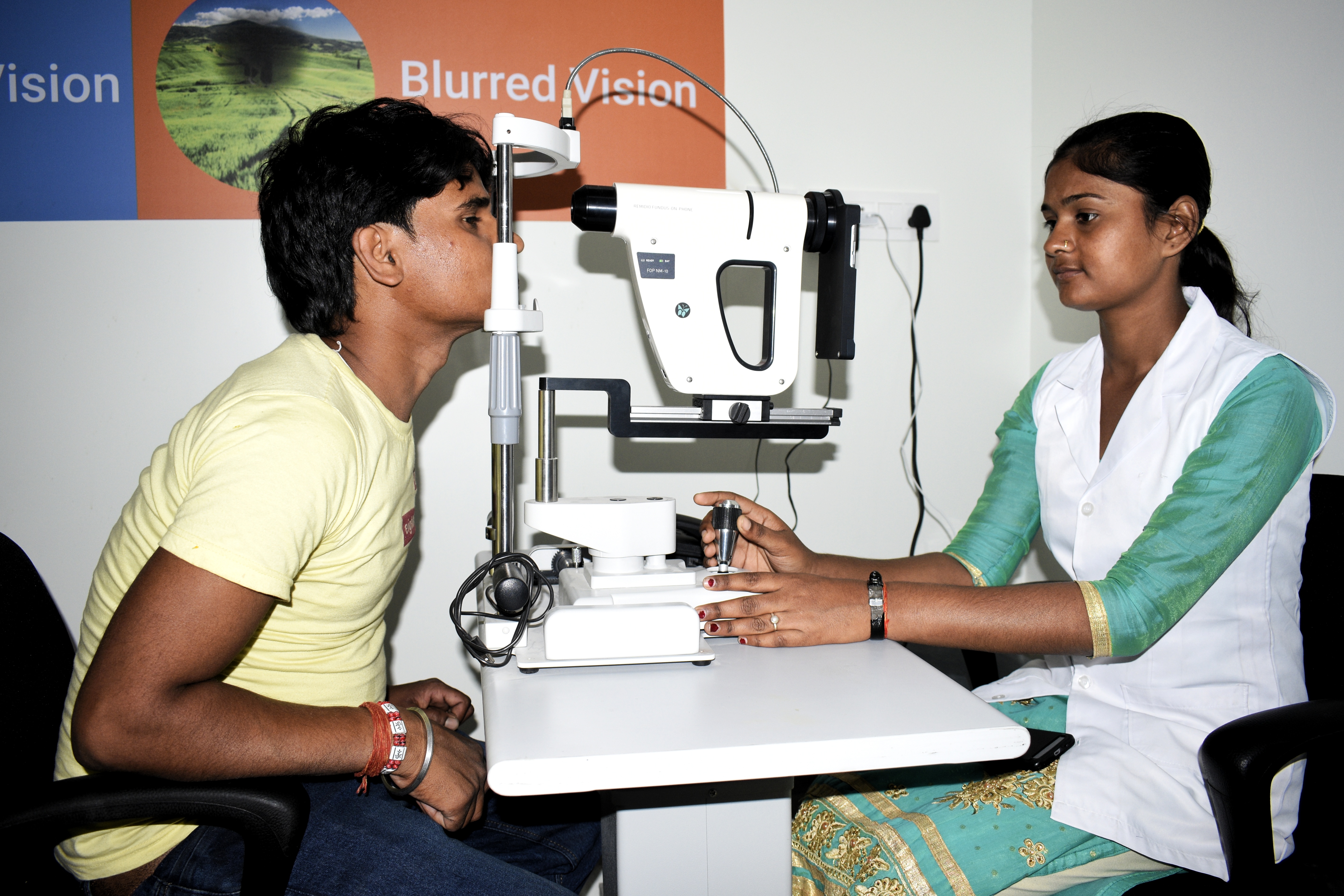
Diabetes Eye Care
Diabetes is a chronic disease that can have a serious impact on your vision. One of the most common complications of diabetes is diabetic retinopathy, a condition that affects the blood vessels in the retina, the part of the eye that is responsible for seeing. If left untreated, diabetic retinopathy can lead to vision loss and even blindness.
Diagnosis of diabetic retinopathy: Diabetic retinopathy can develop without causing any symptoms in its early stages. For this reason, it is important to have regular eye exams if you have diabetes. An eye exam can detect the presence of diabetic retinopathy before you experience any symptoms. During an eye exam, the eye doctor will examine the retina for signs of damage to the blood vessels and for the growth of new blood vessels.
Monitoring for diabetic retinopathy: People with diabetes should have regular eye exams to monitor for diabetic retinopathy. The frequency of eye exams depends on the duration and control of diabetes, but a yearly eye exam is recommended for most people with diabetes. During an eye exam at SRS Diabetes Care, the eye doctor will use special equipment, such as an ophthalmoscope or fundus camera, to examine the retina and look for signs of diabetic retinopathy.
Management of diabetic retinopathy: If you have diabetic retinopathy, SRS Diabetes, will work with you to develop a management plan that is right for you.
In conclusion, diabetic retinopathy is a serious complication of diabetes that can lead to vision loss and even blindness if left untreated. By having regular eye exams, maintaining good blood sugar control, controlling blood pressure, avoiding smoking, eating a healthy diet, and following your eye doctor's management plan, you can help to prevent diabetic retinopathy and protect your vision. If you have diabetes, it is important to take care of your eyes and to see an eye doctor regularly.