- Phone: +91 70612 06896
- Mon-Fri (8am - 6pm)
- srsdiabetescare@gmail.com

SRS Diabetes & Gynaecology Speciality Centre, where we provide complete diabetes care under a single roof. Our state-of-the-art facility is equipped with the latest equipment and staffed by a team of knowledgeable and compassionate professionals.
For the past five years, our centre has been a leader in providing exceptional diabetes care in the region. Our founder, Dr. R. K. Singh, has a deep commitment to helping those with diabetes manage their condition and live healthy and fulfilling lives.
At our centre, we believe that diabetes care should be comprehensive and accessible. That's why we offer a wide range of services designed to meet the needs of our patients. From regular check-ups and monitoring to nutrition counselling and diabetes education, we provide everything you need to manage your diabetes effectively.
Our team of healthcare professionals are dedicated to helping you achieve your health goals. Our doctors, nurses, and nutritionists are knowledgeable and experienced in the management of diabetes and are here to answer any questions you may have. We understand the challenges that come with diabetes and are committed to supporting you in every step of the way.
In addition to our diabetes services, we are now offering Gynaecology services under the same roof. Our goal is to provide the same high level of care and support to women seeking care for their reproductive and gynecological health. Our team of doctors and nurses is trained to provide the best possible care for women at every stage of life, from routine gynecological exams to childbirth and beyond.
We believe that our patients should feel comfortable and confident in their healthcare providers, which is why we have a warm and welcoming environment. Our staff is friendly and always available to answer any questions you may have. We are here to make your visit as easy and stress-free as possible.
At SRS Diabetes & Gynaecology Speciality Centre, we are committed to providing the highest quality care and support to those with diabetes and women seeking gynecological care. Our goal is to help you achieve and maintain optimal health and wellness, so you can live life to the fullest.
If you are looking for comprehensive diabetes care or gynecological services, we invite you to come and see what we have to offer. Our friendly and knowledgeable staff are here to help you and answer any questions you may have. We look forward to serving you and helping you achieve your health goals.

About Our Doctors
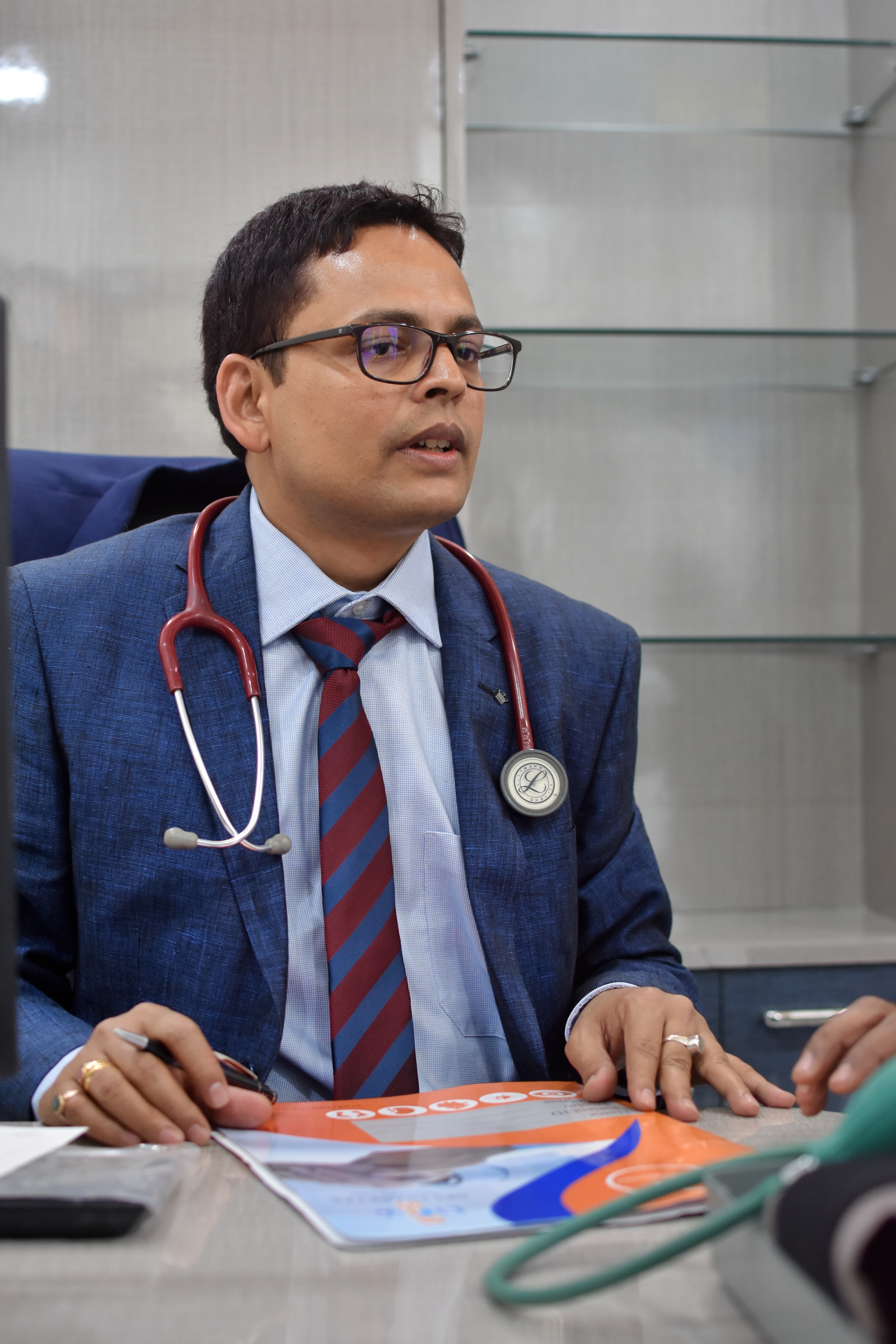
Dr. Ranbir Kumar Singh (R.K.singh) is a renowned Doctor with Degrees in hands like MBBS-M.G.I.M.S Sewagram Wardha, DNB Internal Medicine, BHMRC New Delhi, CCMTD (Thyroid specialist), ACDMC (Diabetes and CVD), Fellowship in clinical cardiology from Apollo Hospital New Delhi, Post Graduate Diploma in Clinical Endocrinology and Diabetes from Royal College of Physician. CCMH (Certificate course in Management of Hypertension) and is also a Member of the Endocrine Society in Washington DC, USA.
Dr. Shreayshi Singh Consultant Gynaecologist and Infertility Dis. Specialist, M.B.B.S.-SKMCH, DGO-PMCH Patna.
About Diabetes - Diabetes and Its Types
Diabetes is a common condition that affects millions of people around the world. It is a disease where the body is unable to produce or properly use insulin, a hormone that regulates the amount of sugar in the blood. There are two main types of diabetes: Type 1, Type 2 & Gestational Diabetes.
Type 1 diabetes is also known as juvenile diabetes and is a condition where the body's immune system attacks and destroys the cells in the pancreas that produce insulin. This type of diabetes typically develops in childhood or adolescence and requires daily insulin injections or the use of an insulin pump to manage blood sugar levels.
Type 2 diabetes on the other hand, is the most common form of diabetes and usually occurs in adulthood. It is caused by a combination of genetic and lifestyle factors, such as being overweight, having high blood pressure, and a lack of physical activity. In Type 2 diabetes, the body either does not produce enough insulin or does not respond properly to the insulin it does produce, leading to high blood sugar levels.
Gestational diabetesGestational diabetes is a type of diabetes that occurs during pregnancy and affects around 5-10% of all pregnancies. It occurs when the body is unable to produce enough insulin to regulate the increased levels of glucose in the blood during pregnancy. If not properly managed, gestational diabetes can lead to health complications for both the mother and the baby, including high blood pressure, an increased risk of cesarean delivery, and an increased risk of developing type 2 diabetes later in life.
All types of diabetes can lead to serious health complications if not properly managed, including heart disease, stroke, kidney damage, nerve damage, and vision loss. It is important to regularly monitor blood sugar levels and work with a doctor to develop a management plan that includes regular physical activity, a healthy diet, and medications as needed.
It is also important to be aware of the common symptoms of diabetes, which can include frequent urination, excessive thirst, unexplained weight loss, increased hunger, and blurred vision. If you experience any of these symptoms, it is important to see a doctor for a diagnosis.
In conclusion, diabetes is a serious condition that requires careful management to prevent complications. If you have been diagnosed with diabetes, it is important to work closely with your doctor to develop a management plan that works for you and to regularly monitor your blood sugar levels. With proper care and management, you can live a healthy and fulfilling life with diabetes.
Diabetes Management
Diabetes is a chronic condition that can lead to several serious complications if not properly managed. Some of the most common complications of diabetes include:
1. Diabetic Heart - People with diabetes are two to four times more likely to develop cardiovascular disease than those without diabetes. This is because high blood sugar levels can damage the blood vessels and increase the risk of plaque buildup in the arteries, leading to heart attack and stroke. In addition, people with diabetes are also more likely to have other risk factors for cardiovascular disease, such as high blood pressure, high cholesterol, and obesity.
2. Diabetes Nephropathy - Diabetes is a leading cause of kidney damage, known as diabetic nephropathy. Over time, high blood sugar levels can cause damage to the small blood vessels in the kidneys, leading to a reduction in their ability to filter waste from the blood. This can ultimately lead to kidney failure and the need for dialysis or a kidney transplant.
3. Diabetes Neuropathy - Diabetes can also cause damage to the nerves, known as diabetic neuropathy. This can cause numbness, tingling, and pain in the hands and feet, and can also increase the risk of foot ulcers and amputations. In addition, diabetic neuropathy can also affect other parts of the body, such as the digestive system, leading to problems such as gastroparesis (delayed emptying of the stomach).
4. Diabetes Retinopathy - High blood sugar levels can also cause damage to the blood vessels in the eyes, leading to a condition known as diabetic retinopathy. This can cause vision loss and blindness if not properly treated. In addition, people with diabetes are also at an increased risk of other eye problems, such as cataracts and glaucoma.
5. Diabetic Skin/Foot - People with diabetes are also at an increased risk of skin problems, such as fungal infections and slow-healing wounds. This is because high blood sugar levels can impair the body's ability to fight infections and heal wounds. In addition, nerve damage from diabetes can also impair sensation in the skin, making it more difficult to detect and treat skin problems.
It is important to understand that these complications can be prevented or delayed with proper care and management of diabetes. This may include regular monitoring of blood sugar levels, engaging in regular physical activity, following a healthy diet, and taking medications as prescribed by your doctor.
In conclusion, diabetes is a serious condition that can lead to several serious complications if not properly managed. By working closely with your doctor and following a healthy lifestyle, you can effectively manage your diabetes and reduce your risk of complications.
Doctors
Achievements
Behind the word mountains, far from the countries Vokalia and Consonantia, there live the blind texts the word.






Service Recipient Says
This is a very Nice , hygienic clinic . Dr Mr Singh is very Nice and all staff are well trained. I, as well as my mother in law, come here regularly.. No need to go outside Samastipur for Diabetes Diagnosis ..this is the best place here in Samastipur.
Miss Arna Gupta
Samastipur, INDIA

SRS is highly professional. They are accessible and affordable. During COVID, my virtual experiences with them have been smooth. I would like to especially highlight Dr. Singh's medication as it helped my mother to defeat COVID. During the whole treatment process, he was cooperative and patient. I highly recommend SRS.
Nandini Raj
Delhi, INDIA
Dr. R.K singh is one of the best doctors in Bihar and India. I stay in pune, still it is very easy to consult doctor and we are very happy with his treatment. I consider him my family doctor now. Thank R K singh sir and his team for excellent work.
Nupur Raman
Kolkata, INDIA
Dr. R. K . Singh, one of a good doctors in Samastipur for general medicine and specialist in Diabetes care, we personally wish him for his care and diagnosis of diabetes.
Ashit Ranjan
Kolkata, INDIA